Privacy Window Film for Portsmouth Homes: What Actually Works
15 September 2026 · 5 min read
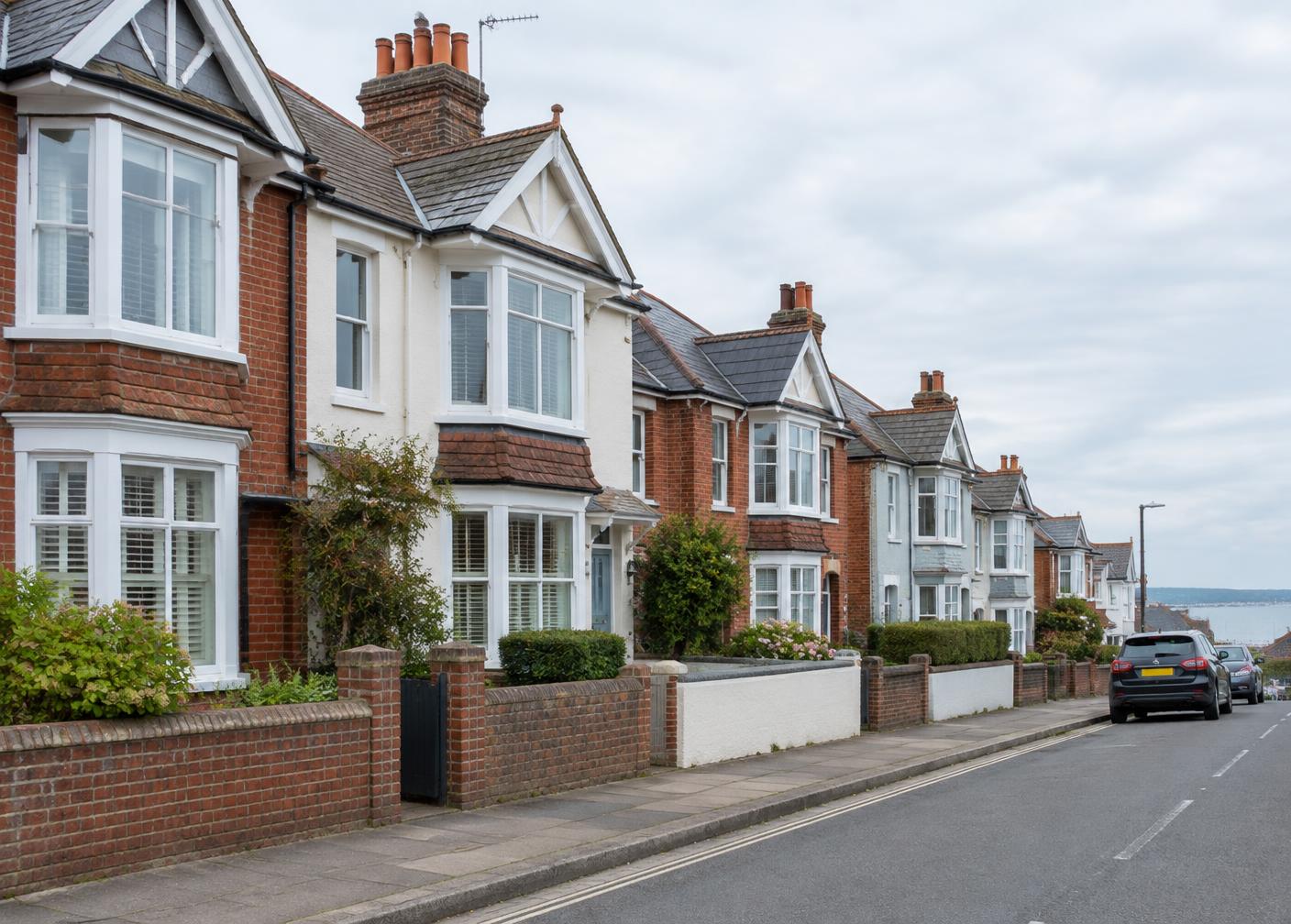
Portsmouth is one of the most densely built cities in the country. Terraced streets, bay windows a few steps from the pavement and neighbours just across the road all mean privacy is a daily concern for many households. Privacy window film can help a great deal, but only if you choose the right type for the right window.
The Portsmouth privacy problem
Walk through Southsea, Fratton, North End or Copnor and you will see the same pattern again and again: Victorian and Edwardian terraces with front bay windows sitting almost directly on the street. People walking past can see straight into the front room, and many residents keep net curtains or blinds closed all day as a result, which makes the room darker and less pleasant to use.
Newer homes have different issues. Modern developments around Gunwharf, Port Solent and the city's regeneration areas often have large windows and balconies facing other flats. Rear extensions with glass doors may look straight onto a neighbour's garden or upstairs windows. In each case the challenge is the same: keeping natural light while stopping people seeing in.
Our dedicated page on Privacy for Street-Facing Windows looks at bay windows and front rooms in more detail. This article focuses on choosing between the main types of privacy film.
Two very different kinds of privacy film
There are broadly two families of privacy film, and confusing them is the single most common reason people end up disappointed.
Reflective films, sometimes called one-way or mirror films, have a mirrored appearance from the brighter side. During the day, when it is brighter outside than inside, people looking in see mostly a reflection, while you can still see out. They also help with solar heat and glare. Our page on Reflective Window Film explains how they look from the street.
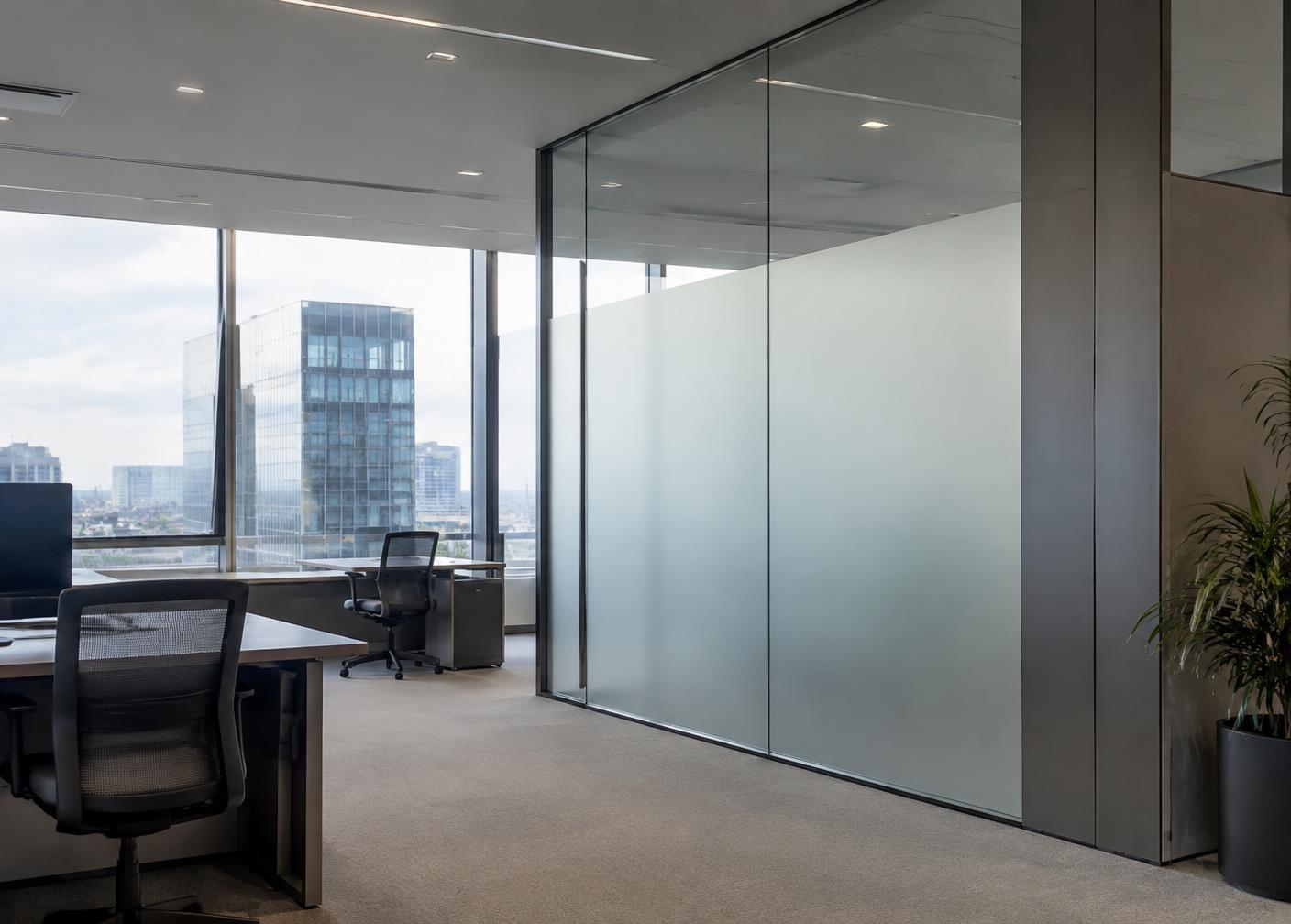
Frosted and decorative films obscure the view in both directions, all the time. They let light through but turn clear glass into something closer to etched or sandblasted glass. They are ideal where you never need a clear view, such as bathrooms, front doors, side windows and the lower part of a bay. See Frosted Privacy Window Film for examples.
The night-time question
This is where honesty matters. Reflective film works because of the difference in light levels. After dark, when your lights are on and it is darker outside, the effect reverses: people outside can see in, and you see your own reflection. Reflective film is not night-time privacy. If you need privacy in the evening, you will still need curtains or blinds, or you should choose frosted film for that window instead.
We have written a full explanation in Does privacy window film work at night?, because it is a question we are asked on almost every survey. Any installer who tells you mirror film gives privacy around the clock is not telling you the whole story.
Combining films for the best of both
For many Portsmouth front rooms the answer is a combination. A popular approach is frosted film across the lower panes of a bay window, at roughly the height where passers-by look in, with clear or lightly tinted film above so you keep sky, light and a view out. This gives full-time privacy where it matters most without making the room feel closed in.
Another option is a graduated or patterned frosted design, which can look smart from the street and suit the period character of a terrace. For street-facing rooms that also get strong afternoon sun, a light reflective film on the upper panes can help with heat and glare during the day, paired with existing curtains for the evening.
Our main guide to Privacy Window Film for Your Home sets out these options side by side, and we always bring samples so you can see them on your own glass before deciding.
Glass, warranties and older windows
Many Portsmouth terraces have replacement double glazing in the bays, while others still have original single-glazed sashes. Both can usually take film, but the type of glass affects which products are suitable. Film changes how much heat the glass absorbs, so compatibility with sealed units, laminated or toughened glass and certain coatings is checked at survey before we recommend anything. It is also worth checking your window warranty for any conditions about applied films.
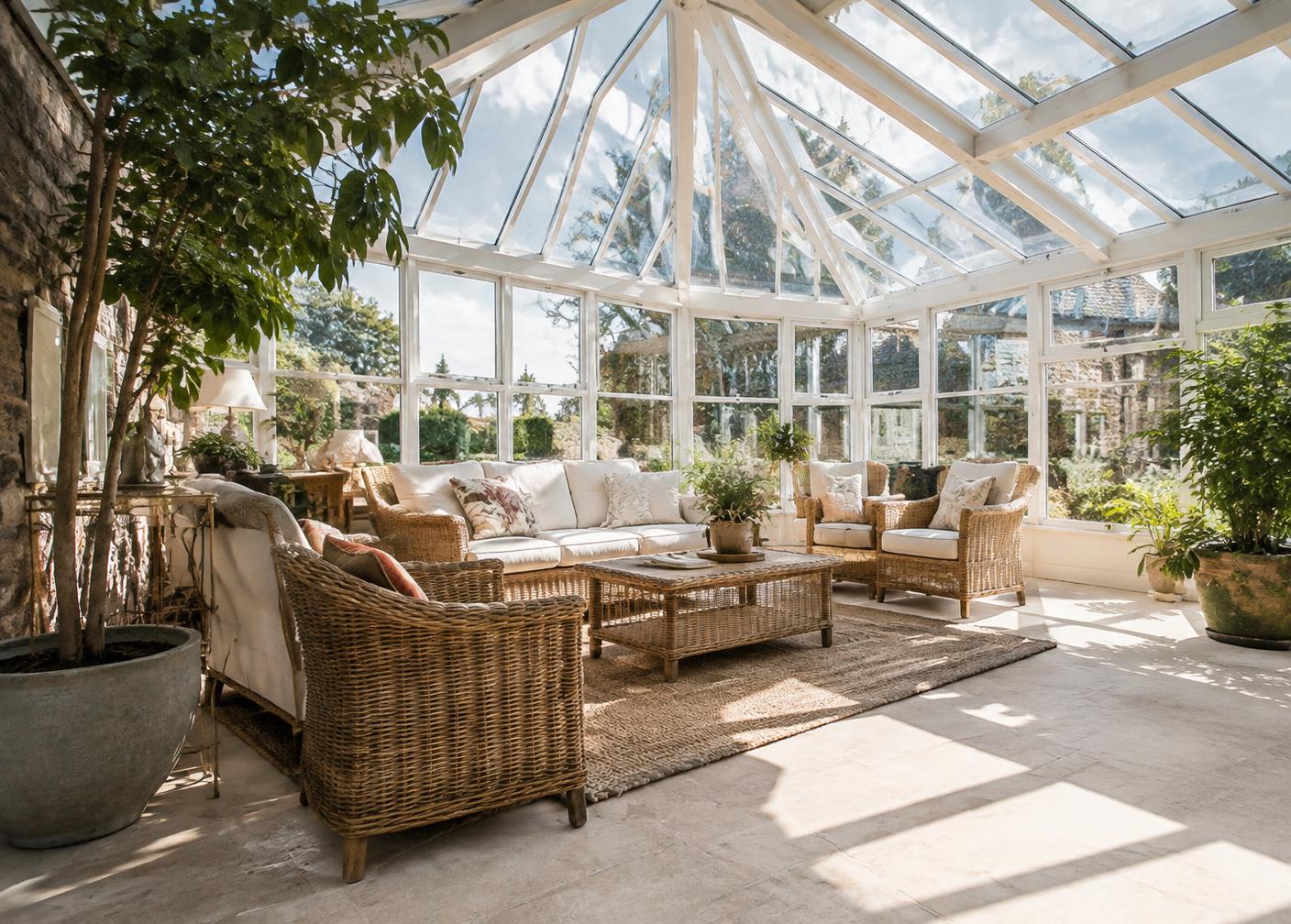
Film can also help in other rooms. Rear extensions with large glass doors often have privacy and overheating issues at the same time, and those are covered in Window Film for Bifold Doors. If fading of floors and furniture in a sunny front room is a concern, see UV Protection Window Film.
Covering Portsmouth and Southsea
We cover the whole of Portsmouth, PO1 to PO6, from Old Portsmouth and Southsea through to Cosham and Drayton, and we are only a short drive away in Havant. Our Window Film in Portsmouth page describes the property types we see most and how surveys work locally.
If you are a little further east, conservatory and extension owners may find How to Stop a Conservatory Overheating in Havant and Hayling Island useful, and business owners in the city can read Office Window Film in Chichester: Calmer, More Comfortable Workspaces, as the same principles apply to Portsmouth offices and shops.
Next steps
The quickest way to get advice is to send photographs of the windows you want to treat, ideally taken from both inside and outside. Tell us whether you need privacy during the day, in the evening or both, and we will suggest the most suitable approach before anyone visits.
Prices depend on the size and number of panes and the film chosen; our page How much does window film cost? explains our guide rates. For an overview of all our residential and commercial services, visit our home page, Professional Window Film Installation for Homes & Businesses.
Privacy should not mean living behind closed curtains all day. Chosen carefully, and with realistic expectations about evenings, privacy window film can give a Portsmouth front room its light back while keeping the street firmly outside.